Source 304 stainless steel cheese slicer for Home, Restaurant, and Hotel Use
Find and compare 304 stainless steel cheese slicer options from verified Chinese manufacturers. This collection of 30 products includes various models like OT20634 and CFL-0025, featuring FDA and LFGB certifications, custom logo services, and diverse packaging for home kitchen or commercial applications.
Key considerations
Products List


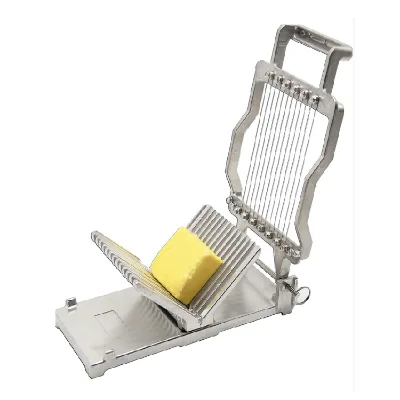


Comprehensive Sourcing Guide
304 Stainless Steel Cheese Slicer Sourcing Guide
When evaluating the market for cheese slicers, buyers must distinguish between general metal kitchen tools and specific stainless steel variants. While the observed product data includes items made from aluminum alloy and generic metal, a true 304 stainless steel slicer requires specific verification of material grade to ensure corrosion resistance and food safety. The available listings show a wide range of models, from flat cheese knives to specialized slicers, but the material composition varies significantly between aluminum and stainless steel options. Procurement teams should prioritize suppliers who explicitly confirm the 304 grade in their technical datasheets rather than relying on generic "metal" descriptions.
The sourcing landscape for these tools is characterized by diverse customization capabilities and varying packaging standards. Many suppliers offer OEM and ODM services, allowing for customized logos and specific product models like the OT20634 or CFL-0025. However, the observed data indicates that packaging can range from simple OPP bags to safe carton sets, which directly impacts the final cost and product protection during transit. Buyers must align their packaging requirements with their distribution channels, ensuring that the selected supplier can provide the necessary protective measures, such as single packaging or set configurations, to prevent damage to the delicate slicing blades.
Product Scope and Observed Listing Signals
The product scope for cheese slicers extends beyond simple wire cutters to include flat knives and specialized cutting mechanisms designed for various cheese textures. The observed listings reveal a spectrum of product types, including flat cheese knives and standard slicers, with dimensions ranging from approximately 13.3 cm to 28 cm in length. These variations suggest that the market caters to both home kitchen use and professional applications in restaurants and hotels. Buyers should verify that the specific model they select matches the intended usage, as the blade geometry and handle design differ significantly between a compact home slicer and a larger commercial tool.
Listing signals indicate a high degree of flexibility in product attributes, including color options like silver, white, and black, as well as customizable branding. The data shows that suppliers accept customized logos and offer various finishing processes, such as satin or mirror polish, which affect the aesthetic and functional quality of the blade. However, the presence of different material types, including aluminum alloy, in the same search results necessitates careful filtering. Buyers must explicitly confirm the material grade to avoid receiving aluminum products when 304 stainless steel is required, as the latter offers superior durability and resistance to acidic foods found in cheese production.
Technical Specifications to Verify
Verifying the physical dimensions and structural integrity of the slicer is critical for ensuring compatibility with standard serving platters and storage solutions. The observed product standards list specific lengths, such as 18 cm, 21 cm, and 22.8 cm, which serve as reference points for buyers to match their inventory needs. It is essential to confirm that the total length and width specifications align with the intended use case, as oversized tools may be cumbersome for home use while undersized tools might lack the leverage required for hard cheeses. Buyers should request detailed dimension drawings to ensure the blade span and handle ergonomics meet their operational requirements.
The finishing process and blade quality are paramount for the performance and longevity of the cheese slicer. The available data highlights processes like satin polish and mirror polish, which influence the blade's ability to cut cleanly without sticking to the cheese. A mirror polish often indicates a smoother surface that reduces friction, while a satin finish may offer a more matte aesthetic. Buyers must verify that the blade is made from the specified 304 stainless steel and undergoes the correct finishing treatment to prevent rust and ensure a sharp, consistent cut. Additionally, the weight of the product, which can vary from lightweight handheld units to heavier commercial models, should be confirmed to ensure user comfort during extended use.
Compliance and Safety Documentation
Food contact safety is the primary concern when sourcing kitchen tools, and compliance with international standards is non-negotiable. The observed listings frequently mention certifications such as FDA, LFGB, CE/EU, CIQ, and EEC, which are essential for verifying that the materials are safe for direct food contact. Buyers must request valid test reports and certificates for each batch of 304 stainless steel slicers to ensure they meet the regulatory requirements of their target markets. Relying on a supplier's general claim of compliance without specific documentation can lead to significant legal and reputational risks, especially when exporting to regions with strict food safety laws.
In addition to material safety, the manufacturing process must adhere to hygiene and quality standards that prevent contamination. The data indicates that some products undergo mild processing, which implies a controlled environment for finishing and assembly. Buyers should verify that the supplier follows Good Manufacturing Practices (GMP) and that the packaging materials, such as PE bags or OPP bags, are food-grade and free from harmful chemicals. Ensuring that the entire supply chain, from raw material sourcing to final packaging, is compliant with relevant safety standards is crucial for maintaining the integrity of the product and protecting the end consumer.
Cost Drivers and Commercial Terms
The cost of a 304 stainless steel cheese slicer is influenced by several factors, including the material grade, finishing process, and customization requirements. While the observed price range in the market is broad, from $0.35 to $14,000, this variance likely reflects differences in order volume, product complexity, and the inclusion of additional services like custom branding. Buyers should understand that higher costs are often associated with premium finishes, such as mirror polish, and the use of genuine 304 stainless steel rather than lower-grade alternatives. It is important to analyze the cost structure to ensure that the price reflects the actual value and quality of the materials used.
Commercial terms, including Minimum Order Quantity (MOQ) and packaging configurations, play a significant role in the overall procurement strategy. The observed MOQs range from 20 sets to 500 pieces, indicating that suppliers cater to both small boutique buyers and large-scale distributors. Buyers must negotiate terms that align with their inventory capacity and cash flow, considering that higher MOQs often result in better unit pricing. Additionally, the packaging method, whether single units or sets, affects shipping costs and storage efficiency. Clear agreements on packaging standards and delivery timelines are essential to avoid unexpected expenses and logistical delays.
Supplier Qualification and Quality Control
Selecting a qualified supplier requires a thorough assessment of their manufacturing capabilities and quality control systems. The data shows that suppliers are located in key manufacturing hubs like Zhejiang and Guangdong, China, which are known for their metalworking expertise. Buyers should verify the supplier's production capacity, specifically their ability to maintain consistent quality in 304 stainless steel sourcing and processing. It is advisable to conduct on-site audits or request third-party inspection reports to ensure that the supplier adheres to the agreed-upon specifications and maintains a robust quality assurance program.
Quality control measures must be implemented at every stage of production, from raw material inspection to final packaging. Buyers should require suppliers to perform routine tests on the blade hardness, corrosion resistance, and dimensional accuracy of the slicers. The observed data mentions specific product models and standards, which can serve as benchmarks for quality verification. Establishing a clear protocol for defect detection and rejection is crucial to prevent substandard products from reaching the market. Regular communication with the supplier regarding quality metrics and continuous improvement initiatives will help maintain high standards and build a reliable supply chain.
Long-Term Procurement Checks
Building a sustainable procurement relationship involves regular performance reviews and continuous monitoring of supplier capabilities. Buyers should establish key performance indicators (KPIs) to track delivery times, product quality, and responsiveness to issues. The dynamic nature of the market means that suppliers may change their material sources or production processes, so ongoing verification is necessary to ensure that the 304 stainless steel grade remains consistent over time. Regular audits and feedback loops will help identify potential risks early and allow for proactive adjustments to the procurement strategy.
Future-proofing the supply chain requires staying informed about market trends and regulatory changes that could impact the sourcing of cheese slicers. Buyers should monitor developments in food safety regulations and material standards to ensure continued compliance. Additionally, diversifying the supplier base can mitigate risks associated with single-source dependencies. By maintaining a strategic approach to procurement that includes regular market analysis and supplier evaluation, buyers can ensure a steady supply of high-quality 304 stainless steel cheese slicers that meet their evolving business needs.
FAQs
What certifications are available for 304 stainless steel cheese slicers?
Suppliers offer cheese slicers with FDA, LFGB, CE/EU, CIQ, and EEC certifications. These standards ensure the metal materials meet food safety requirements for home and commercial kitchen use. Buyers should verify the specific certification documents match their target market regulations before placing an order.
What is the typical MOQ for custom 304 stainless steel cheese slicers?
The minimum order quantity varies by supplier, with observed ranges from 20 sets to 500 pieces. Customization options like logos are available, but the specific MOQ depends on the production method and packaging requirements. Buyers should confirm the exact MOQ for their desired customization level with the supplier.
Can 304 stainless steel cheese slicers be customized with logos?
Yes, customized logos are acceptable for these products. Suppliers support OEM and ODM services, allowing buyers to add branding to the metal surface. The customization process may affect the lead time and minimum order quantity, so it is important to discuss specific branding requirements with the manufacturer.
What packaging options are available for 304 stainless steel cheese slicers?
Common packaging includes OPP bags, cartons, and PE bags. Some suppliers offer safe package options to protect the metal blades during transit. The choice of packaging can influence the unit price and shipping volume, so buyers should select a format that balances protection and cost efficiency.
What are the standard dimensions for 304 stainless steel cheese slicers?
Dimensions vary by model, with total lengths ranging from 13.3 cm to 28 cm. Specific models may have widths and thicknesses, such as 18 cm by 7.7 cm by 6.5 mm. Buyers should check the product specifications to ensure the size fits their kitchen storage and usage requirements.
Where are 304 stainless steel cheese slicers typically manufactured?
These products are primarily manufactured in China, with major production hubs in Zhejiang and Guangdong provinces. The location can affect shipping costs and lead times for international buyers. Sourcing from these regions often provides competitive pricing due to established supply chains for metal kitchenware.
What blade finishes are available for 304 stainless steel cheese slicers?
Blades can be finished with satin polish or mirror polish. The finish affects the aesthetic appearance and may influence the perceived quality of the product. Buyers should choose a finish that aligns with their brand image and target customer preferences for kitchen utensils.